
Put today in context
Ask what changed, what stayed similar and how the past helps explain the present.

Explore. Question. Understand.
Who shaped the place you live in? Why do communities make different choices? Connect history, geography, civics and everyday life—and learn to ask more thoughtful questions about our shared world.
Explore the ideas first. Choose a class only when you need one.

More perspectives. A more informed world.
More than a school subject
Build understanding you can use—inside a lesson and in the world around you.
Ask what changed, what stayed similar and how the past helps explain the present.

Compare accounts and recognise that a useful question may have more than one viewpoint.

Look for the source, the evidence and what a map or account may leave out.

Connect learning with shared spaces, community decisions and responsible participation.
Explore and learn
Open an area for a clear starting point, a useful question and an everyday connection.
These are broad subject areas, not official chapters for a particular board or class.
 1. Communities and governmentAsk how communities make decisions and meet shared needs.
Make it realA neighbourhood needs a shared space. Whose needs should be considered before deciding how to use it?
 2. Maps and placesUse location, scale and symbols to explain a place—not just find it.
Make it realCompare a street map with a world map. The same place appears in both, but they answer different questions.
 3. History and changeBuild explanations about the past using evidence, sequence and context.
Make it realTwo accounts describe the same event differently. What does each source know, and what might each leave out?
 4. Resources, work and the economyFollow the relationships between resources, livelihoods and choices.
Make it realTrace a notebook from its materials to your desk. Which people and decisions are part of that journey?
 5. India and the wider worldConnect local experiences with national and global questions.
Make it realChoose a familiar community issue. How could geography, history and civic decisions each help explain it?
Need the chapters for a particular curriculum?
A source is a starting point
What is the most useful way to begin comparing them?
A quick preview—not a graded test. Choose an answer and see the reasoning.A clearer way to learn
Begin with a question about a person, place or shared problem.
Use clear examples to look at evidence and different perspectives.
Link the event or idea with its context and consequences.
Explain your answer with reasons, then consider another viewpoint.

About this subject
Social Science helps learners make sense of people and the systems they live within. It connects the stories of the past with places, resources, institutions and choices in the present.
EveryAgeLearn gives dates, places and definitions a purpose by linking them with explanations, examples and questions. You can practise tracing a relationship, considering another perspective and supporting an answer with reasons—not simply repeating a list of facts.
Your learning journey
Only actual mapped boards, classes and stages appear here. A broad subject introduction is not a combined syllabus.
Mapping: Aligned to the CBSE / NCERT scheme of study · 2025–26 academic cycle · Reviewed 2026-08-29. Explanations and practice support learning; this is not a reproduction of an official syllabus.
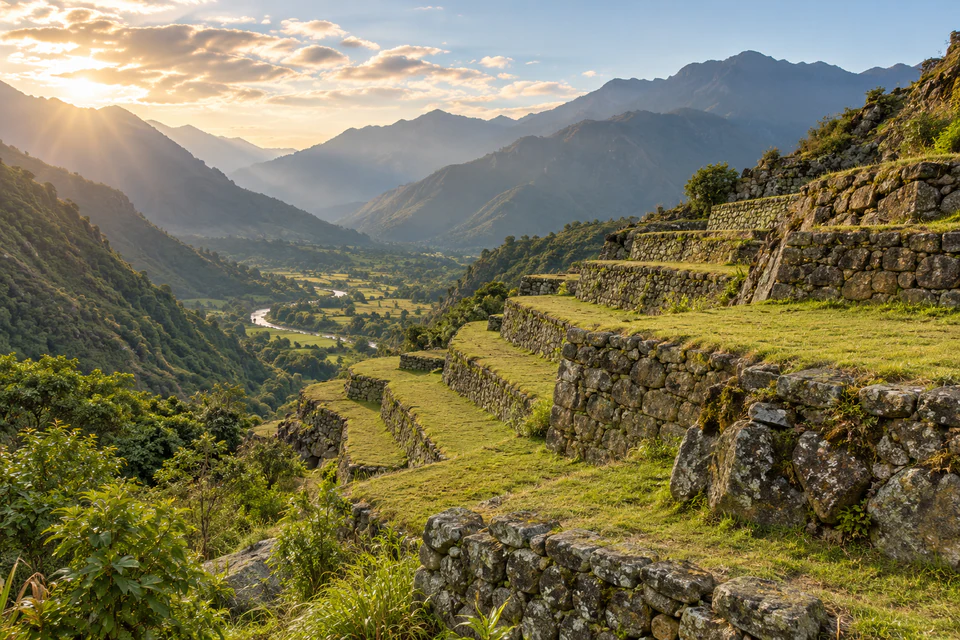
Start with one question about people, places or the past.