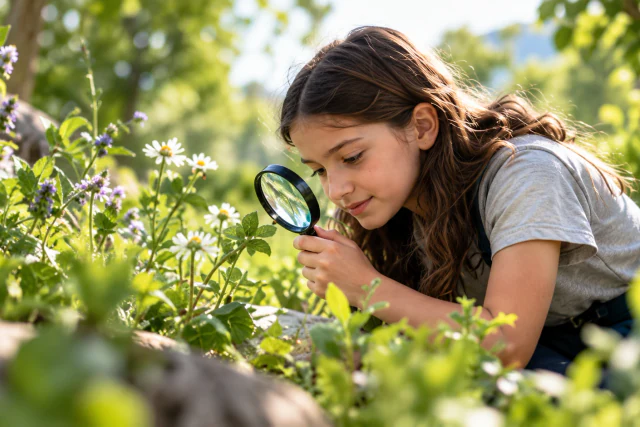
Notice more
Turn a walk, a meal or a change in the weather into a question worth exploring.

Explore. Discover. Care. Grow.
Why do birds choose different homes? Where does our water come from? Start with everyday questions, connect nature with community, and discover small ways to care for the world around you.
Explore the ideas first. Choose a class only when you need one.
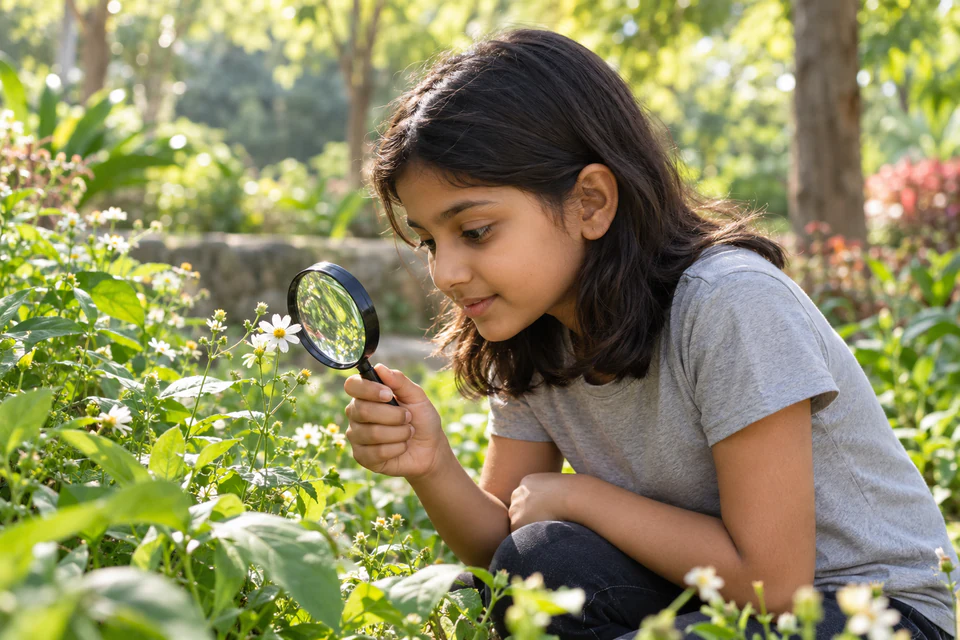
A little curiosity. A more caring world.
More than a school subject
Build understanding you can use—inside a lesson and in the world around you.
Turn a walk, a meal or a change in the weather into a question worth exploring.
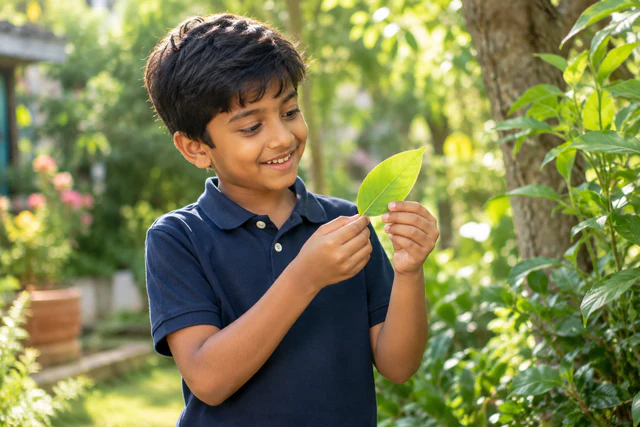
See how living things, water, food and people depend on one another.
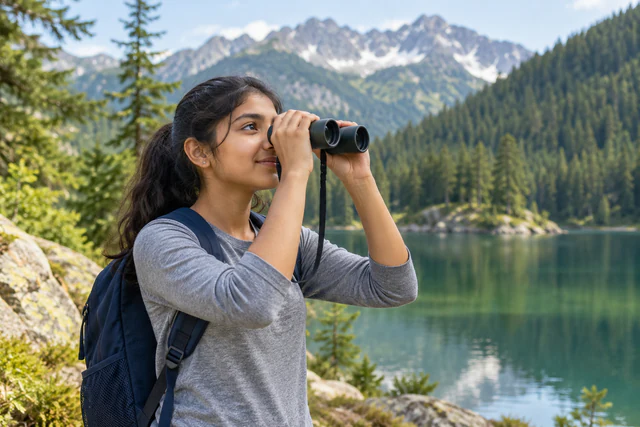
Ask what happens next when we use a resource, create waste or change a place.
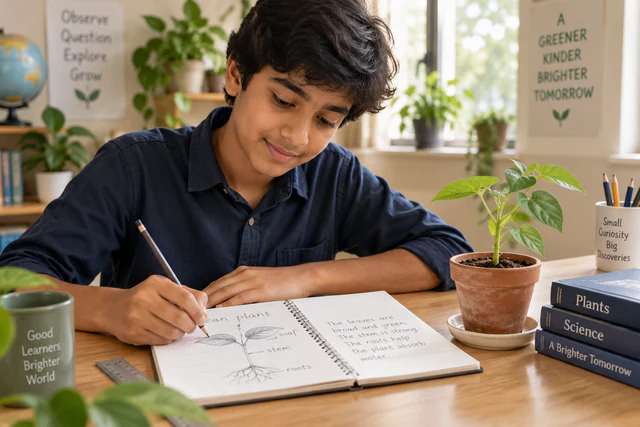
Connect what you learn with cleanliness, shared spaces and everyday responsibilities.
Explore and learn
Open an area for a clear starting point, a useful question and an everyday connection.
These are broad subject areas, not official chapters for a particular board or class.
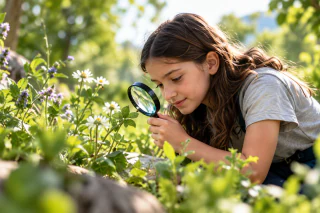 1. Plants and habitatsExplore what living things need and why different places support different forms of life.
Make it realLook at a shady corner and a sunny corner. Which plants grow in each? Notice before you explain.
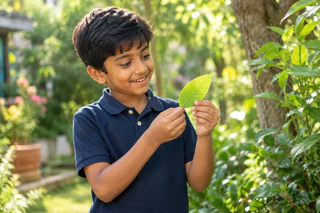 2. Water and weatherFollow water through everyday life and notice patterns in the weather.
Make it realKeep a simple weather diary. A few days of observations are a starting point, not proof of a long-term climate trend.
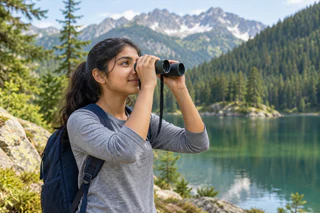 3. Our Earth and its resourcesBuild a sense of place through land, soil, resources and simple maps.
Make it realSketch a route to a familiar place. Add a key so someone else can understand your symbols.
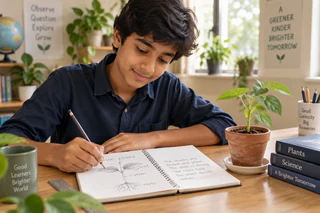 4. Living things and their connectionsAsk how organisms find food, shelter and the conditions they need.
Make it realWatch an insect from a distance. What can you actually see, and what are you only guessing?
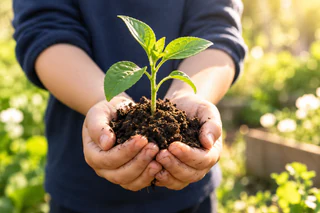 5. Communities, waste and careConnect the natural world with the people, routines and choices in our lives.
Make it realChoose one item you use often. Could you use less of it or reuse it before it becomes waste?
Need the chapters for a particular curriculum?
Start with observation
What is the most useful first step before deciding why?
A quick preview—not a graded test. Choose an answer and see the reasoning.A clearer way to learn
Start with a familiar scene and a question you can investigate.
Use a clear explanation and example to look beyond the first impression.
Link the idea with your home, neighbourhood or natural surroundings.
Try a question, explain your thinking and decide what to notice next.
About this subject
Environmental Studies brings nature, people and everyday life into one conversation. It helps learners move from naming things to noticing patterns, asking questions and understanding relationships.
EveryAgeLearn starts with familiar situations and makes the connections clear through approachable explanations, examples and practice. A question about a plant or a neighbourhood becomes a chance to observe carefully, explain your thinking and make a more thoughtful everyday choice.
Your learning journey
Only actual mapped boards, classes and stages appear here. A broad subject introduction is not a combined syllabus.
Mapping: Aligned to the CISCE scheme of study · 2025–26 academic cycle · Reviewed 2026-08-29. Explanations and practice support learning; this is not a reproduction of an official syllabus.

Begin with one everyday idea and see where your curiosity takes you.